
When you venture into the wild, knowing how to secure fire, water, and food can make the difference between a challenging experience and a dangerous one. These survival basics are crucial for anyone spending time outdoors, whether on a weekend camping trip or an extended backcountry adventure. This guide offers practical, hands-on advice to help you master these essential skills and boost your confidence in nature.
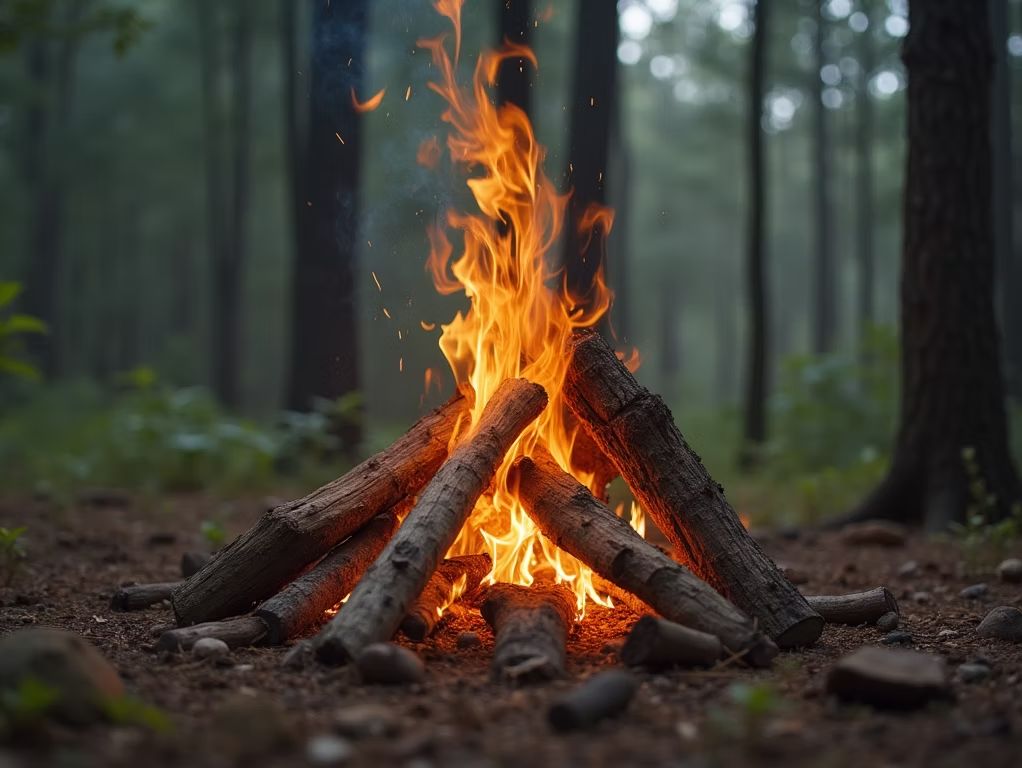
Building and Maintaining a Reliable Fire
Fire provides warmth, light, a way to cook food, and a signal for help. Learning how to start and maintain a fire safely is one of the most important survival skills.
Choosing the Right Location
- Pick a spot sheltered from wind and away from dry grass or leaves.
- Clear a circle about 3 feet in diameter down to bare soil.
- Surround the fire area with rocks to contain flames.
Gathering Materials
- Tinder: Small, dry materials that ignite easily, such as dry grass, bark shavings, or cotton balls.
- Kindling: Small sticks about the thickness of a pencil.
- Fuel wood: Larger pieces of wood that keep the fire burning longer.
Fire Starting Methods
- Matches or lighter: The simplest and most reliable method.
- Firesteel or ferrocerium rod: Scrape sparks onto tinder to ignite it.
- Bow drill: A friction-based method using a wooden spindle and bow to create heat.
Building the Fire Structure
- Teepee: Arrange tinder in the center, then lean kindling sticks around it like a cone.
- Log cabin: Build a small square with kindling and place tinder inside.
- Light the tinder and gently blow on the base to encourage flames.
Fire Safety Tips
- Never leave a fire unattended.
- Keep water or dirt nearby to extinguish the fire.
- Fully put out the fire before leaving by dousing with water and stirring ashes.
Finding and Purifying Water in the Wild
Water is vital for survival, and knowing how to find and purify it can prevent dehydration and illness.
Locating Water Sources
- Look for streams, rivers, lakes, or ponds.
- Collect rainwater or dew using a tarp or cloth.
- Dig near dry riverbeds where moisture may be trapped underground.
- Avoid stagnant water, which can harbor harmful bacteria.
Water Purification Techniques
- Boiling: Bring water to a rolling boil for at least one minute to kill pathogens.
- Filtration: Use portable filters or make a DIY filter with sand, charcoal, and cloth layers.
- Chemical treatment: Use iodine tablets or chlorine drops following package instructions.
- Solar disinfection: Fill clear plastic bottles and leave them in direct sunlight for six hours.
Storing Water Safely
- Use clean containers with tight lids.
- Avoid touching the inside of containers or water with dirty hands.
- Store water away from direct sunlight to prevent algae growth.
Basic Fishing Techniques for Food in the Wild
Fishing can provide a reliable food source when other options are limited. Learning simple fishing methods increases your chances of catching fish.
Essential Fishing Gear
- Fishing line or strong string.
- Hooks or improvised hooks made from safety pins or small nails.
- Bait such as worms, insects, or small pieces of food.
- A small net or container to hold caught fish.
Setting Up a Basic Fishing Line
- Tie a hook to the end of the line using a secure knot like the improved clinch knot.
- Attach a small weight or sinker a few inches above the hook to keep bait near the bottom.
- Cast the line into the water and wait patiently.
Alternative Fishing Methods
- Hand fishing: Catch fish by feeling for them in shallow water and grabbing quickly.
- Spearfishing: Use a sharpened stick or spear to catch fish in clear water.
- Fish traps: Construct simple traps from branches or rocks to funnel fish into a confined space.
Handling and Preparing Fish
- Once caught, kill the fish humanely by a quick blow to the head.
- Clean the fish by removing scales, guts, and gills.
- Cook fish thoroughly over a fire to avoid parasites and bacteria.