
Embarking on a survival island experience is a challenge that tests your limits, sharpens your instincts, and reconnects you with nature. Each day brings new tasks, lessons, and moments of discovery. If you are considering this adventure, knowing what to expect from Day 1 to Day 5 will help you prepare mentally and physically. This guide walks you through the typical progression of a survival island experience, highlighting key activities, challenges, and rewards along the way.
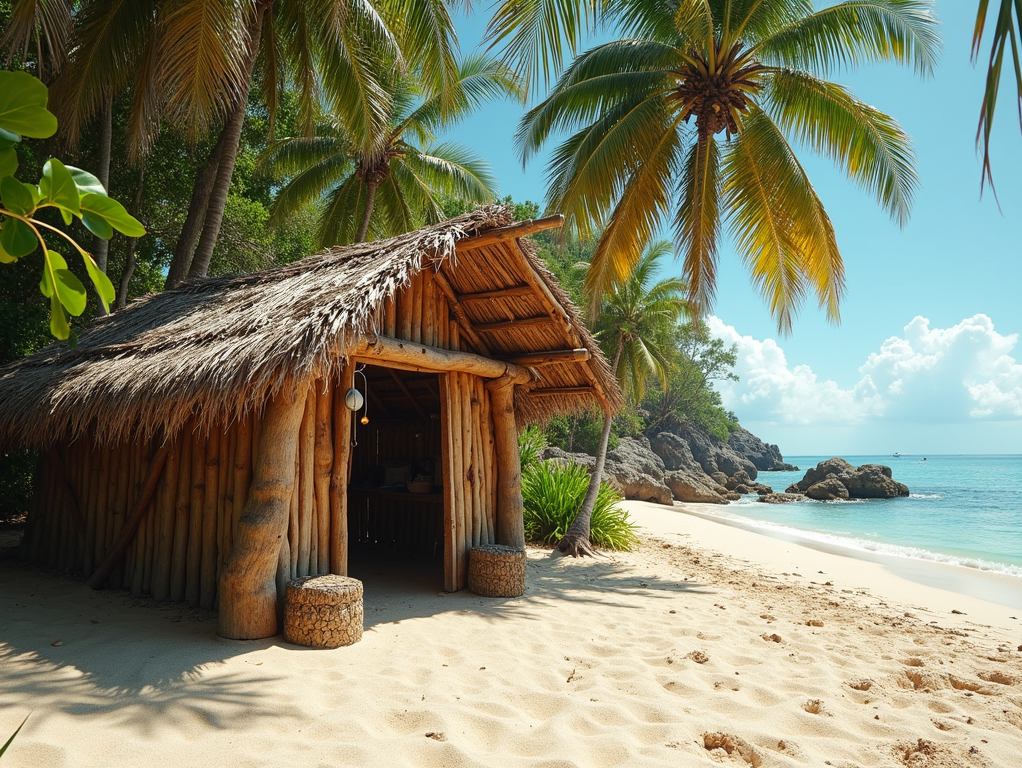
Day 1: Arrival and Basic Setup
The first day on the island is all about orientation and establishing your base camp. After arriving, you will likely spend the initial hours surveying your surroundings. This includes identifying fresh water sources, safe spots for shelter, and potential hazards like sharp rocks or unstable ground.
Key activities:
- Building shelter: Using natural materials such as palm leaves, branches, and vines, you will construct a basic shelter to protect yourself from the elements. This task requires teamwork and creativity, especially if you have limited tools.
- Water sourcing: Finding and purifying water is critical. You might learn to collect rainwater or locate freshwater streams. Boiling water or using natural filtration methods will be introduced.
- Inventory check: Assessing what supplies you have, such as knives, ropes, or fire starters, helps plan your next steps.
Expect some physical exhaustion as your body adjusts to the new environment. The first night can be challenging due to unfamiliar sounds and the absence of modern comforts.
Day 2: Fire and Food Gathering
Once your shelter is secure, the focus shifts to fire and food. Fire is essential for warmth, cooking, and signaling for help. Food gathering teaches you to identify edible plants, fruits, and possibly small animals or fish.
Key activities:
- Fire making: You will practice traditional methods like friction-based fire starting or using flint stones. Maintaining a fire safely is a vital skill.
- Foraging: Learning to recognize safe plants and fruits is crucial. Guides often provide lists of edible species and those to avoid.
- Fishing and trapping: Depending on the island’s resources, you might set simple traps or fish using handmade tools.
This day builds confidence as you begin to sustain yourself with natural resources. It also highlights the importance of patience and observation.
Day 3: Navigation and Survival Skills
By the third day, you will deepen your survival knowledge with navigation and advanced skills. Understanding your location and how to move safely across the island can be lifesaving.
Key activities:
- Using natural navigation: Techniques such as reading the sun’s position, stars, and natural landmarks help you orient yourself without a compass.
- Tool crafting: You may create tools or weapons from stones, bones, or wood to improve your efficiency in gathering food or defending yourself.
- First aid basics: Learning to treat minor injuries with natural remedies or improvised bandages is part of the training.
This day often brings a sense of empowerment as you gain more control over your environment.
Day 4: Teamwork and Problem Solving
Survival is rarely a solo effort. On Day 4, group dynamics and problem-solving exercises come to the forefront. You will face challenges that require cooperation and creative thinking.
Key activities:
- Group tasks: Building larger structures, creating signal fires, or planning escape routes encourage collaboration.
- Problem-solving scenarios: Simulated emergencies, such as sudden weather changes or injuries, test your ability to adapt quickly.
- Reflection: Sharing experiences and lessons learned helps build trust and morale.
This day strengthens bonds and highlights the importance of communication in survival situations.
Day 5: Preparation for Departure and Reflection
The final day focuses on preparing to leave the island and reflecting on the experience. You will dismantle your camp or leave it in a way that respects the environment.
Key activities:
- Packing and cleanup: Ensuring no trace is left behind protects the island’s ecosystem.
- Reviewing skills: Instructors often recap key survival techniques and answer questions.
- Personal reflection: Many participants find this day emotional, appreciating how much they have learned and grown.
Leaving the island, you carry not only memories but practical skills and a renewed respect for nature.
Survival island experiences offer a unique blend of challenge and discovery. Each day builds on the last, guiding you from basic shelter building to complex problem-solving and self-reliance. Whether you seek adventure, personal growth, or a break from modern life, knowing what to expect helps you make the most of every moment.