
Finding yourself stranded on a desert island can feel like a nightmare. Without preparation, the situation quickly becomes dangerous. But with the right knowledge and mindset, you can turn survival into a manageable challenge. This guide covers everything you need to know to stay safe, find food and water, build shelter, and signal for rescue.
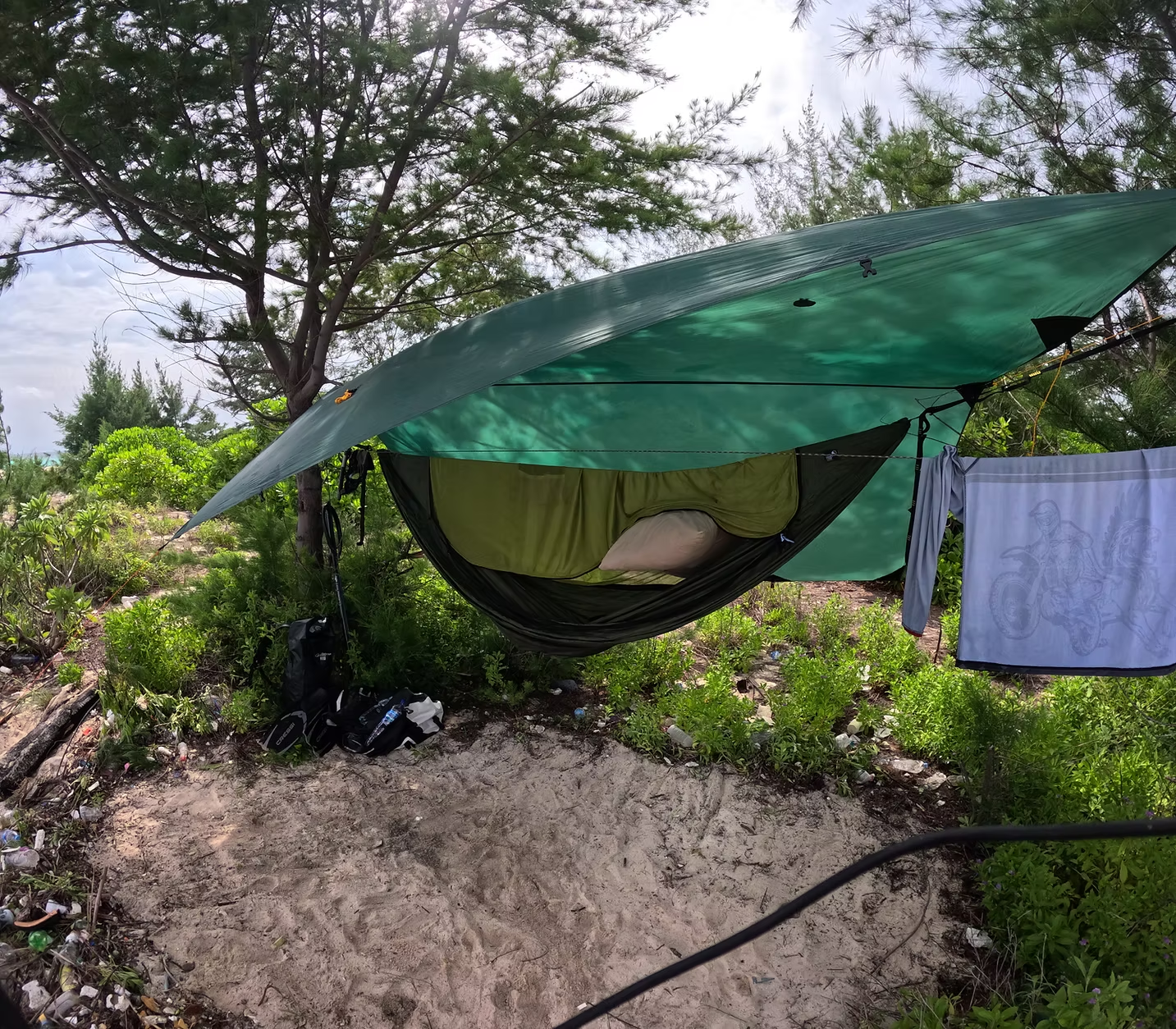
Assess Your Situation Immediately
The first moments after arriving on a desert island are critical. Take a deep breath and focus on assessing your surroundings calmly.
- Check for injuries. Treat any wounds or broken bones using basic first aid.
- Take stock of supplies. If you have any items with you, gather and organize them.
- Observe the environment. Look for fresh water sources, edible plants, and potential shelter spots.
- Note the weather and terrain. Understanding the climate and landscape helps plan your next steps.
Avoid panic. Clear thinking increases your chances of survival.
Secure Fresh Water
Water is the most urgent need. Humans can survive only a few days without it.
- Look for natural sources. Streams, springs, or rainwater pools are ideal.
- Collect rainwater. Use leaves, containers, or dig a pit lined with plastic if available.
- Create a solar still. Dig a hole, place a container in the center, cover the hole with plastic, and place a small rock in the center to create condensation.
- Avoid seawater. Drinking saltwater causes dehydration.
Always purify water if possible by boiling or using filtration methods.
Find and Prepare Food
Food is less urgent than water but still essential for energy and health.
- Identify edible plants. Learn to recognize safe fruits, nuts, and roots. Avoid anything that looks unfamiliar or toxic.
- Fish and shellfish. Use makeshift spears, traps, or nets to catch seafood.
- Insects and small animals. Many insects provide protein and are safe to eat if cooked.
- Preserve food. Dry or smoke fish and meat to extend shelf life.
Be cautious and test small amounts of new foods to avoid poisoning.
Build Shelter for Protection
Shelter protects you from the elements and helps maintain body temperature.
- Choose a safe location. Avoid low areas prone to flooding or places near dangerous wildlife.
- Use natural materials. Palm leaves, branches, and vines work well.
- Construct a simple lean-to or debris hut. These provide shade and keep rain off.
- Insulate the floor. Use leaves or grass to create a barrier from the ground.
A well-built shelter improves comfort and reduces the risk of illness.
Create Fire for Warmth and Cooking
Fire provides warmth, cooks food, purifies water, and signals rescuers.
- Gather dry wood and tinder. Dead leaves, bark, and small twigs ignite easily.
- Use friction or spark methods. Bow drills, flint and steel, or matches if available.
- Build a fire pit. Clear an area, surround it with stones to contain flames.
- Maintain the fire. Keep it burning safely and extinguish it completely when not in use.
Fire also boosts morale and provides a sense of security.
Signal for Rescue Effectively
Getting rescued depends on being noticed.
- Create large SOS signs. Use rocks, logs, or dig into sand on open ground.
- Use reflective objects. Mirrors, metal, or shiny surfaces can catch the attention of planes or ships.
- Build signal fires. Three fires in a triangle is a recognized distress signal.
- Stay near open areas. Avoid dense forest where visibility is low.
Regularly check for passing ships or planes and be ready to signal.
Maintain Physical and Mental Health
Survival is as much mental as physical.
- Keep a routine. Structure your day with tasks like gathering food, maintaining shelter, and resting.
- Stay hydrated and nourished. Prioritize water and food intake.
- Rest when needed. Avoid exhaustion to keep your body strong.
- Stay positive. Focus on small achievements and keep hope alive.
Mental resilience improves decision-making and endurance.
Use Tools and Improvised Equipment
Tools increase your efficiency and safety.
- Craft knives and spears. Sharpen stones or shells to create cutting tools.
- Make containers. Use hollowed wood or shells to carry water or food.
- Create traps. Simple snares catch small animals.
- Use vines as rope. Strong vines can tie shelter or carry items.
Improvising tools from natural resources is a key survival skill.
Stay Safe from Wildlife and Environmental Hazards
Desert islands may have dangerous animals or plants.
- Learn about local wildlife. Avoid poisonous snakes, insects, or aggressive animals.
- Store food securely. Keep it away from animals that might be attracted.
- Watch for weather changes. Prepare for storms or extreme heat.
- Avoid risky terrain. Steer clear of cliffs, unstable ground, or deep water.
Safety precautions prevent injuries and illness.